Road Signs: Shapes & Colours
Before you memorise individual signs, learn what the shape and colour already tell you. Get this and half the sign questions answer themselves.
≈ 12 min read
Read the shape first
The outline of a sign narrows down its meaning before you read a single word.
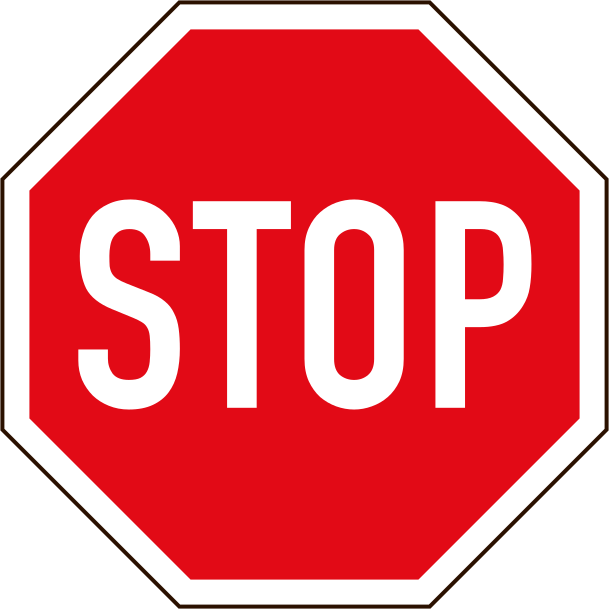
Octagon · Stop
The only octagon in the system. A full stop, every time — even on an empty road.
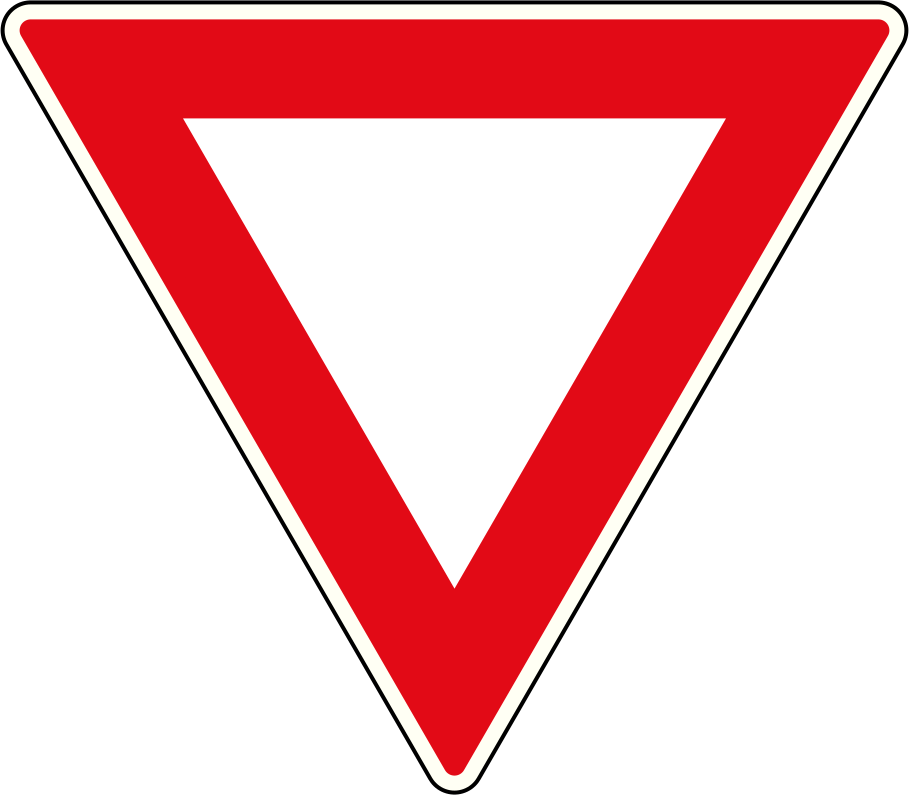
Inverted triangle · Give Way / Yield
Slow down and give way. You only stop if the way isn't clear.
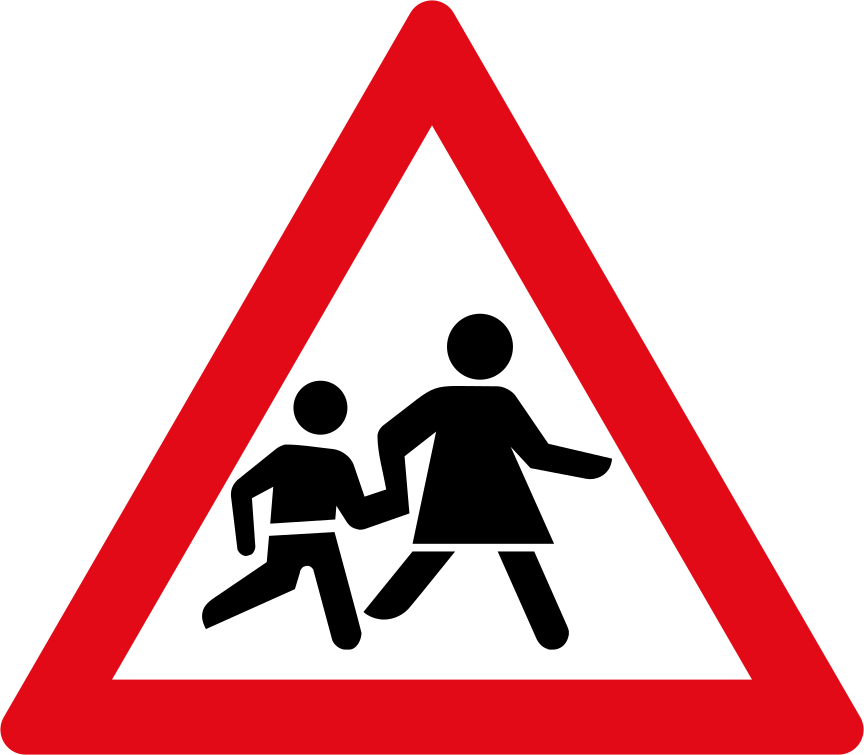
Triangle, red border · Children ahead
A warning. Something ahead to prepare for — it doesn't order you to act.
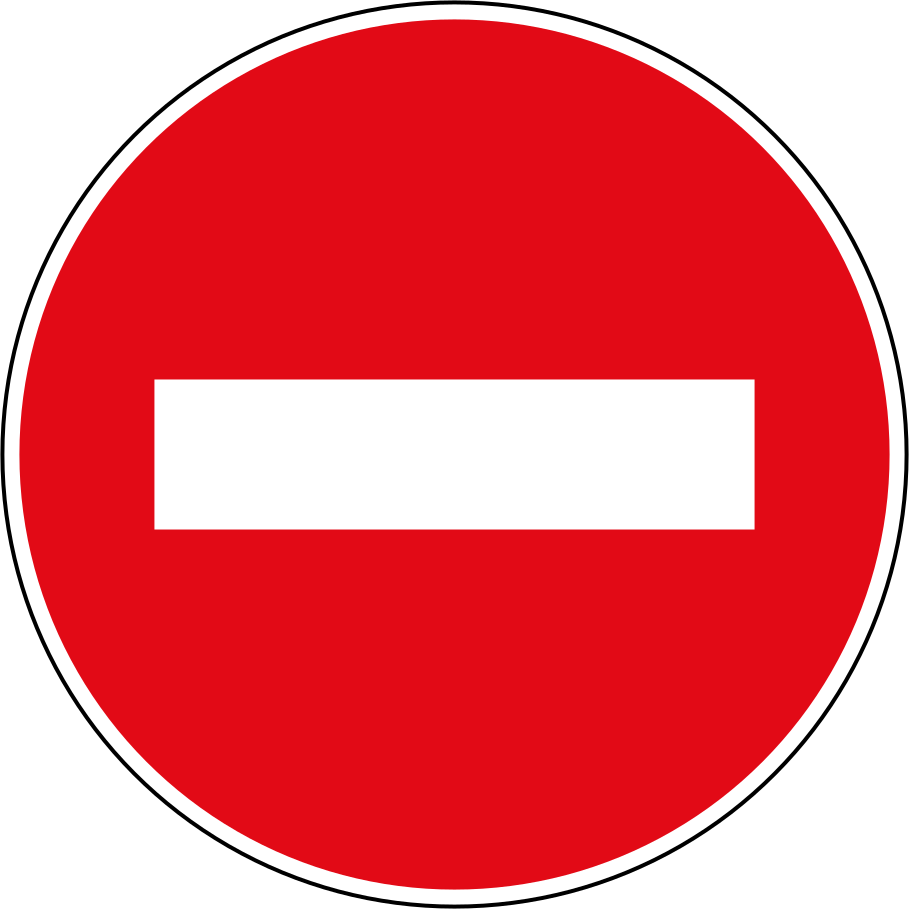
Circle, red border · No entry
A prohibition. The red ring means “you must NOT”.
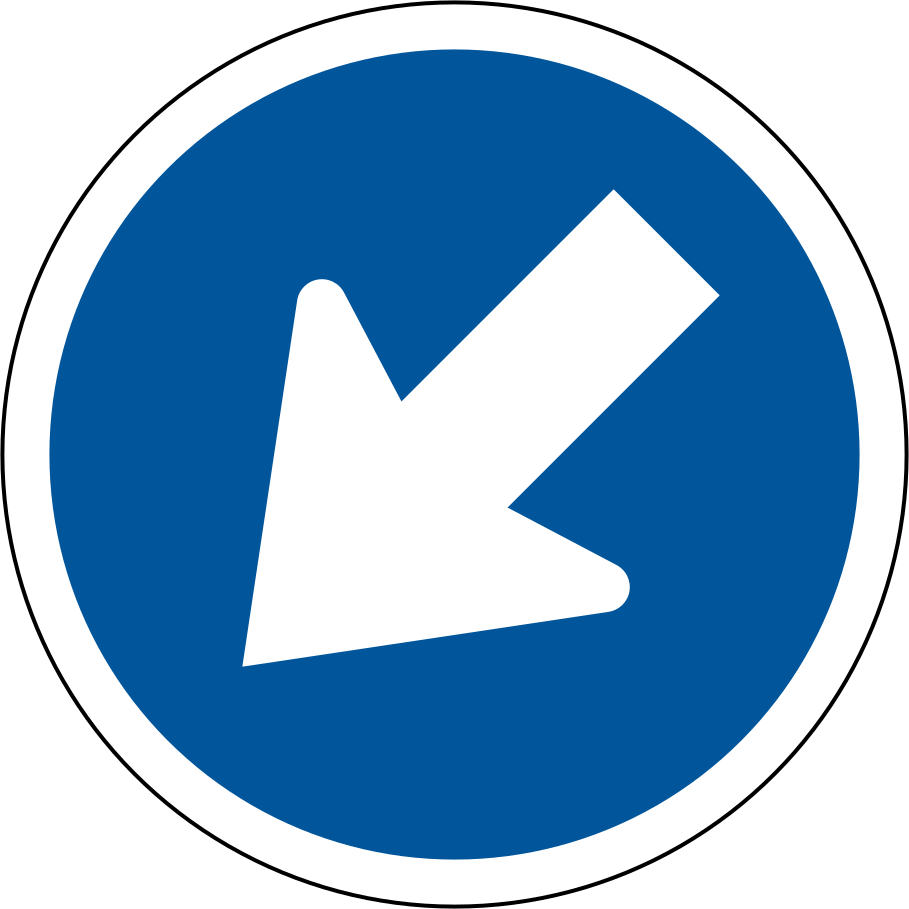
Circle, solid blue · Keep Left
A command. Solid blue means “you MUST”.
Then read the colour
Colour is a code. Learn it once and it works on signs you’ve never seen.
Red
Stop, danger, or prohibition. A red ring or border always means “you must not”.
Blue
A command — “you must”. (Also the highest-class A1 freeway direction signs.)
Green
Freeway and rural direction signs — not blue, which is a common trap.
Brown
Tourism and places of interest.
White background
A permanent sign.
Yellow background
A temporary sign — roadworks.
Common trap: rural direction signs are green, not blue. Blue is reserved for the highest-class A1 freeways — and a yellow background always means temporary roadworks.
The two everyone confuses
Stop vs Yield is the single most-tested confusion in the learner’s test.
Stop
Come to a complete stop at the line, every time. Then go only when it's clear.
Give Way / Yield
Slow down and give way. You only stop if traffic or pedestrians are there.
How the test asks it
- “What does this sign mean?” — recognise the meaning from shape + colour.
- “What must you do when you see this sign?” — the required response.
- The trap answer: treating a Yield like a Stop, or reading a blue “must” as a red “must not”.
That’s one lesson. There are dozens more.
Every sign, rule and control — explained like this, then practised until it sticks.
Unlock My Study Plan